
How to Avoid Technology Feeling Complicated
When systems aren’t coordinated, even the best technology can feel complicated.
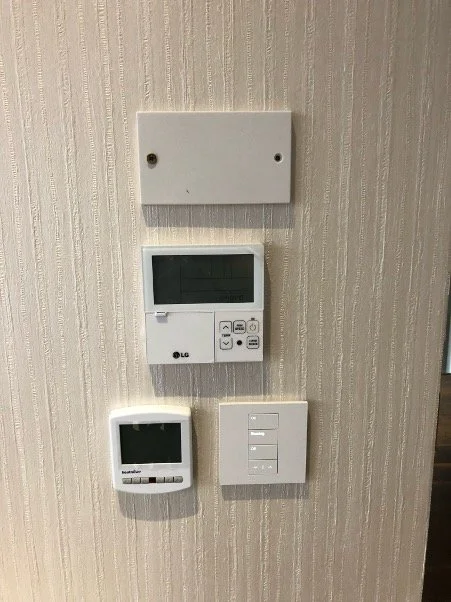
We recently visited a property where lighting, heating and air conditioning had each been installed by different specialists, without an overall control strategy.
The result? Multiple wall controls sitting side by side.
A keypad for lighting, alongside separate thermostats and HVAC controllers.
Individually, each system worked well. Together, they felt fragmented, cumbersome to use and visually disruptive within an otherwise beautifully designed interior.
This situation is more common than many homeowners and designers expect. As homes become more sophisticated, different technologies are often specified and installed in isolation. Without coordination, the user experience suffers and wall clutter increases.
It does not have to be this way.
With the right integration approach, multiple environmental systems can be unified into a single, elegant interface that supports both design and usability.
For projects requiring both lighting and climate control, we for example, often recommend the Polar Bear Design Palladiom & Zentium Pro thermostat. This dual-zone thermostat allows intuitive control via the digital crown by turning right for heating or left cooling, while sitting seamlessly alongside the Lutron Palladiom keypads.
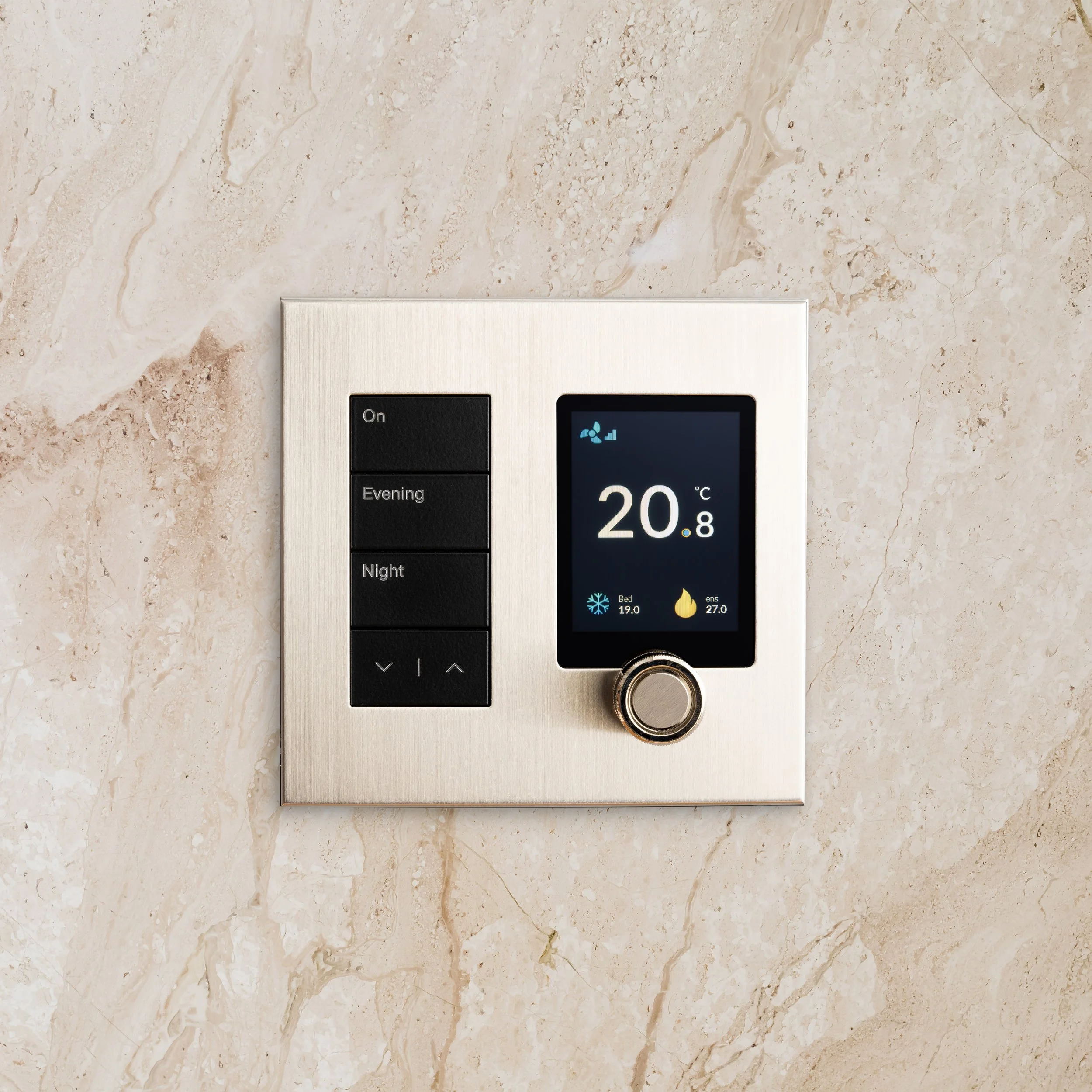
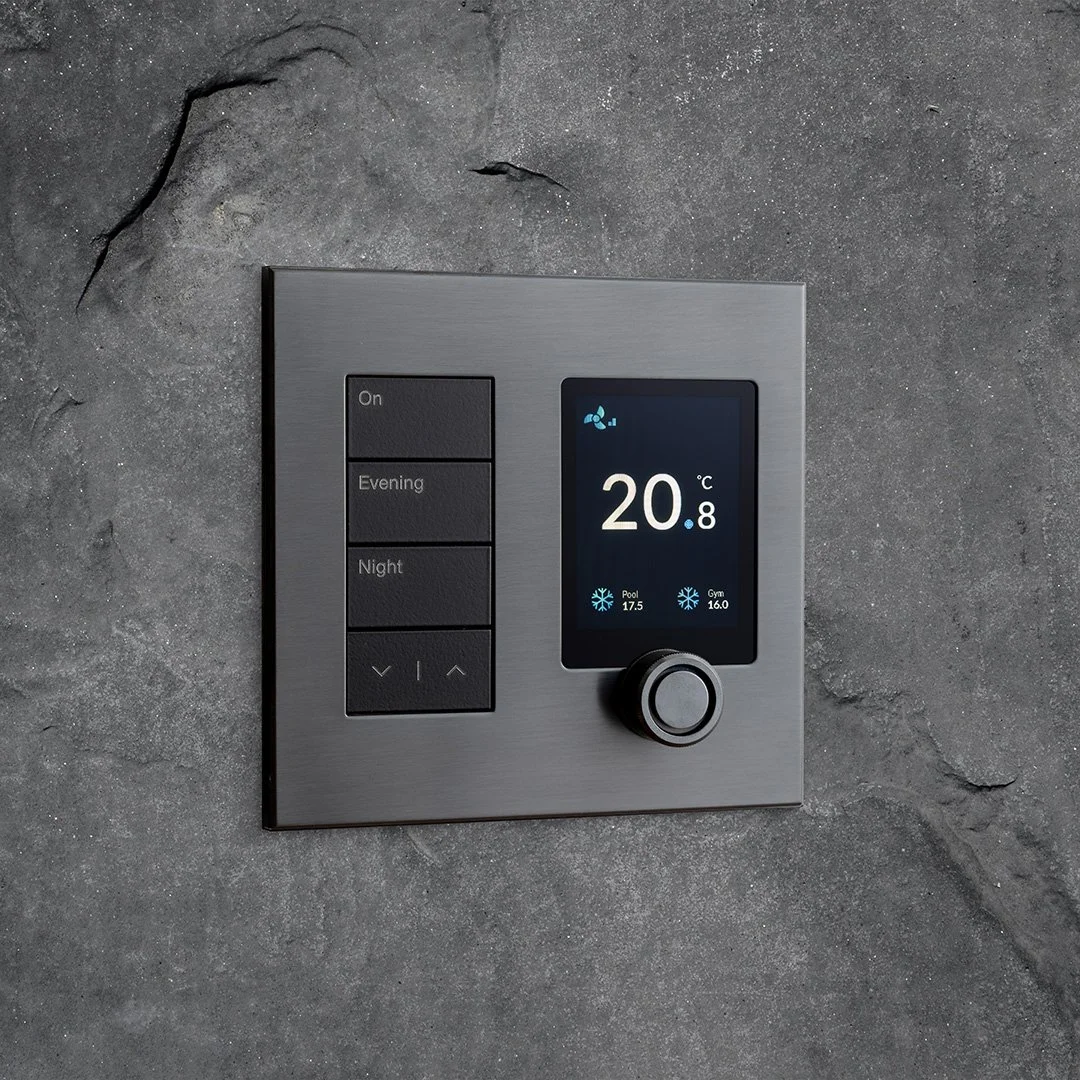
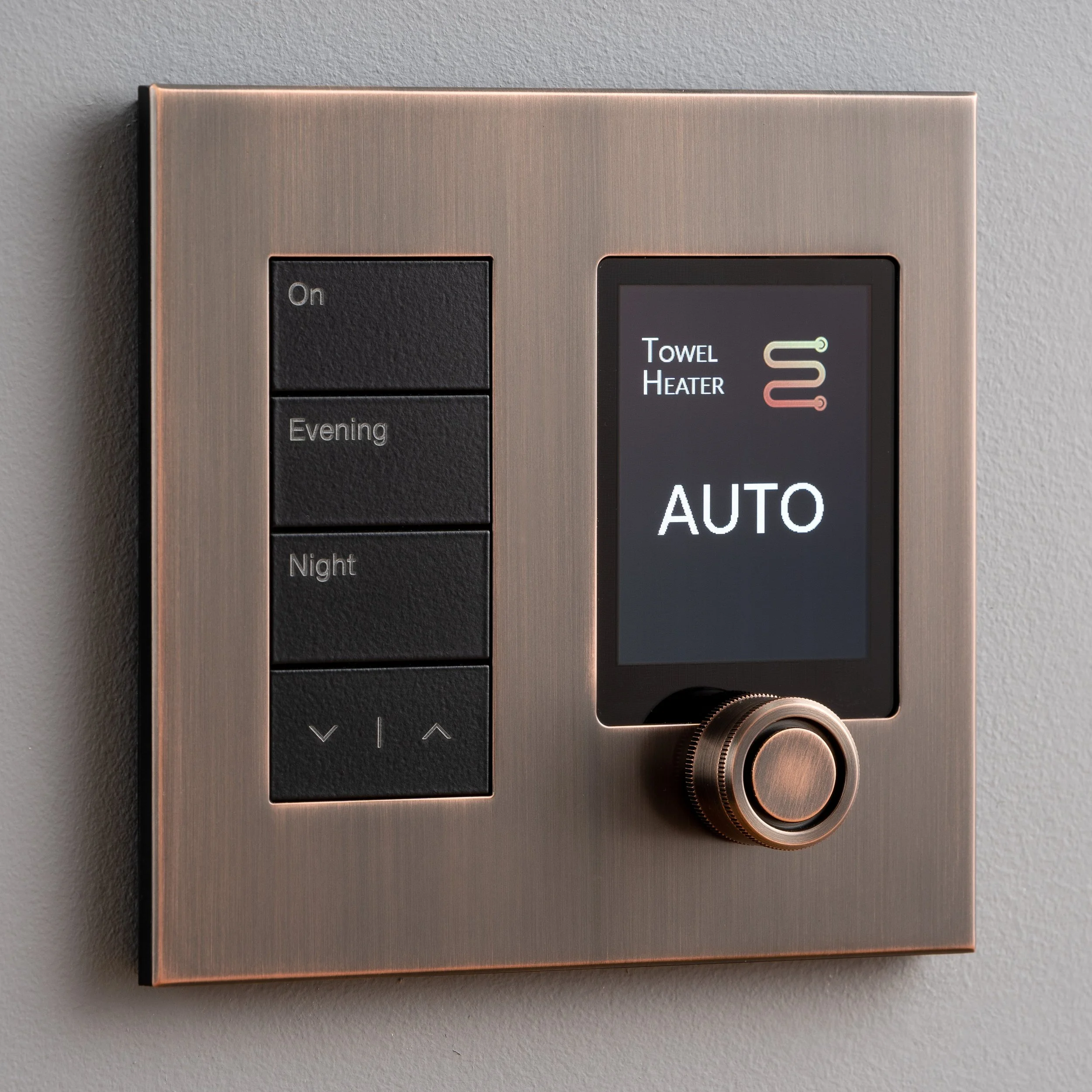
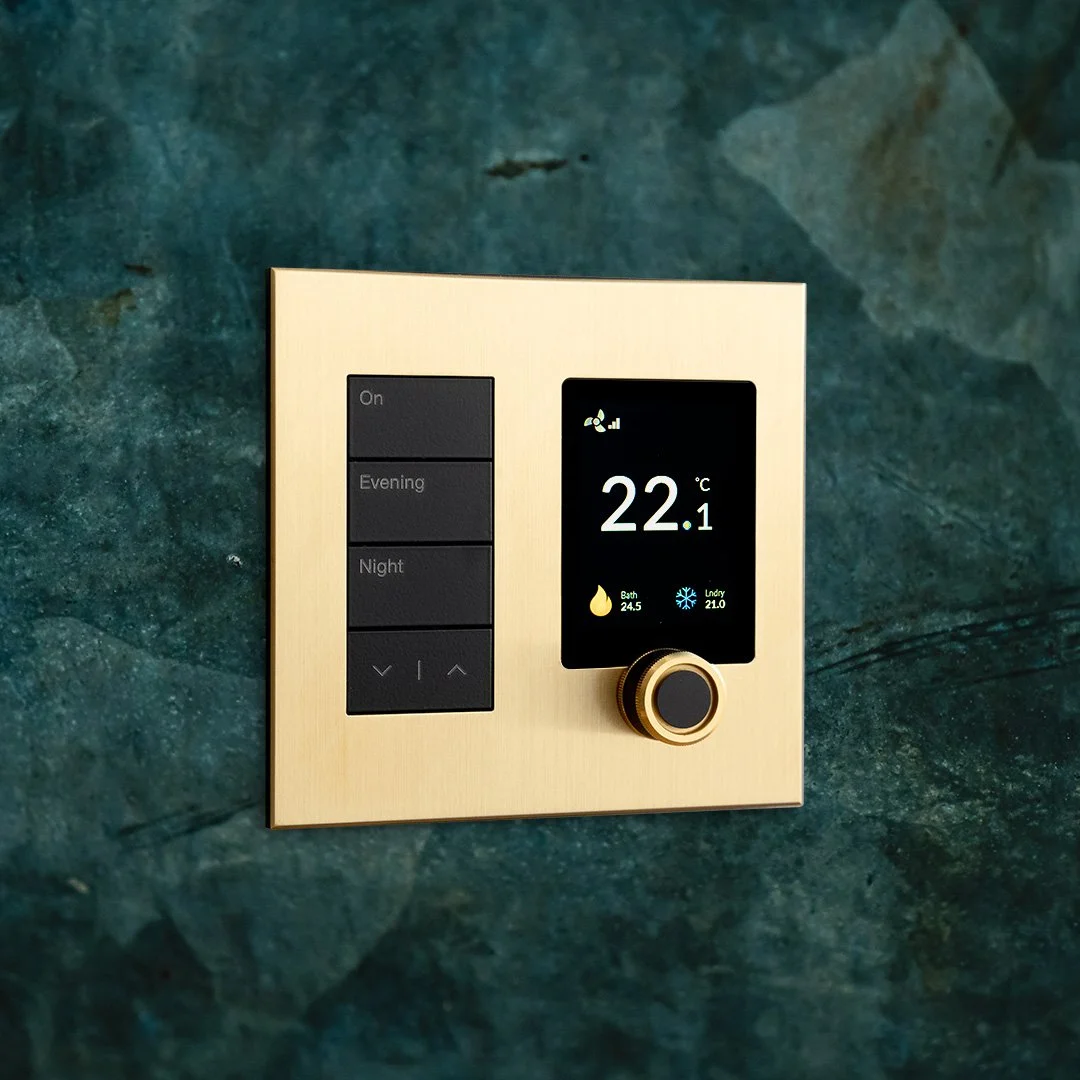
Polar Bear also integrates with Crestron Home, allowing temperature control to be incorporated within the wider smart home system. When paired with Crestron Horizon keypads, climate control can be managed through the same elegant wall interface used for lighting and scene, ] creating a consistent user experience across the home.
The result is a cohesive aesthetic and simple control through one elegant control point rather than several unrelated devices.
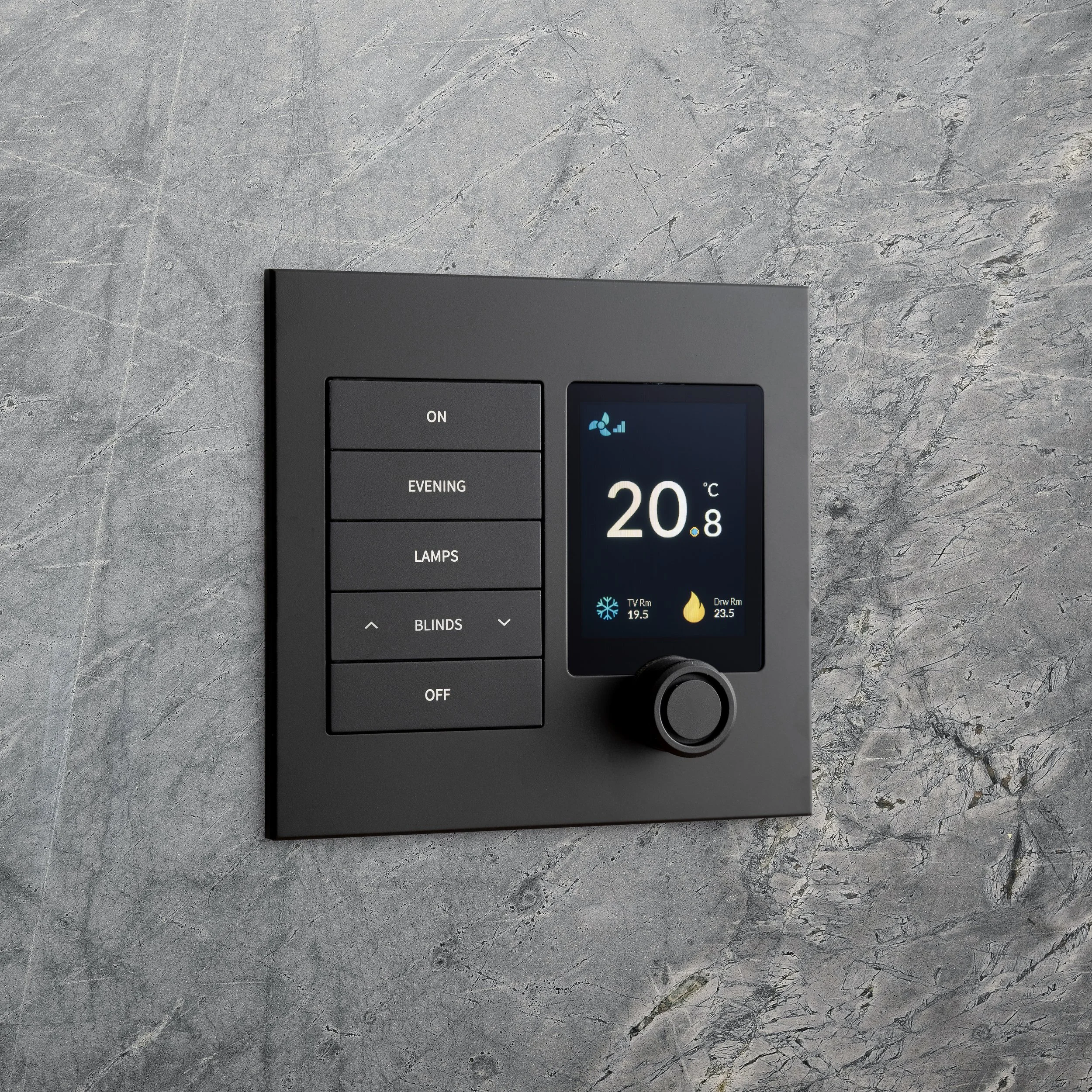
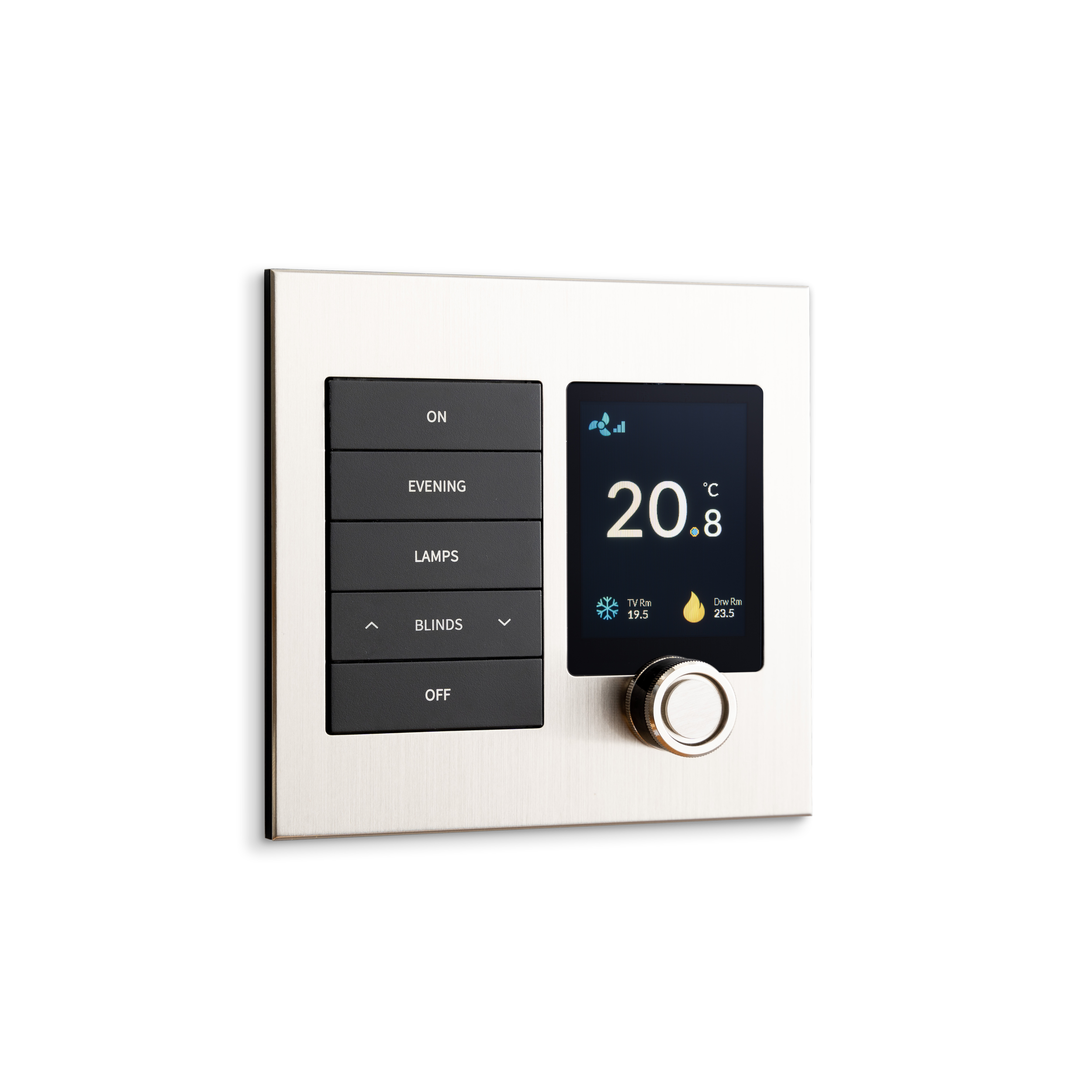
For homeowners, this means a home that is easier and more intuitive to live with. For interior designers, it preserves the visual integrity of the wall finish and avoids the clutter of multiple (often ugly) control plates competing for space.
When systems are designed to work together from the outset, both function and aesthetics improve. Technology recedes into the background and the experience of the space comes forward.